
Wedding Dress Cleaning and Preservation: What to Do After the Big Day
11th November 2026
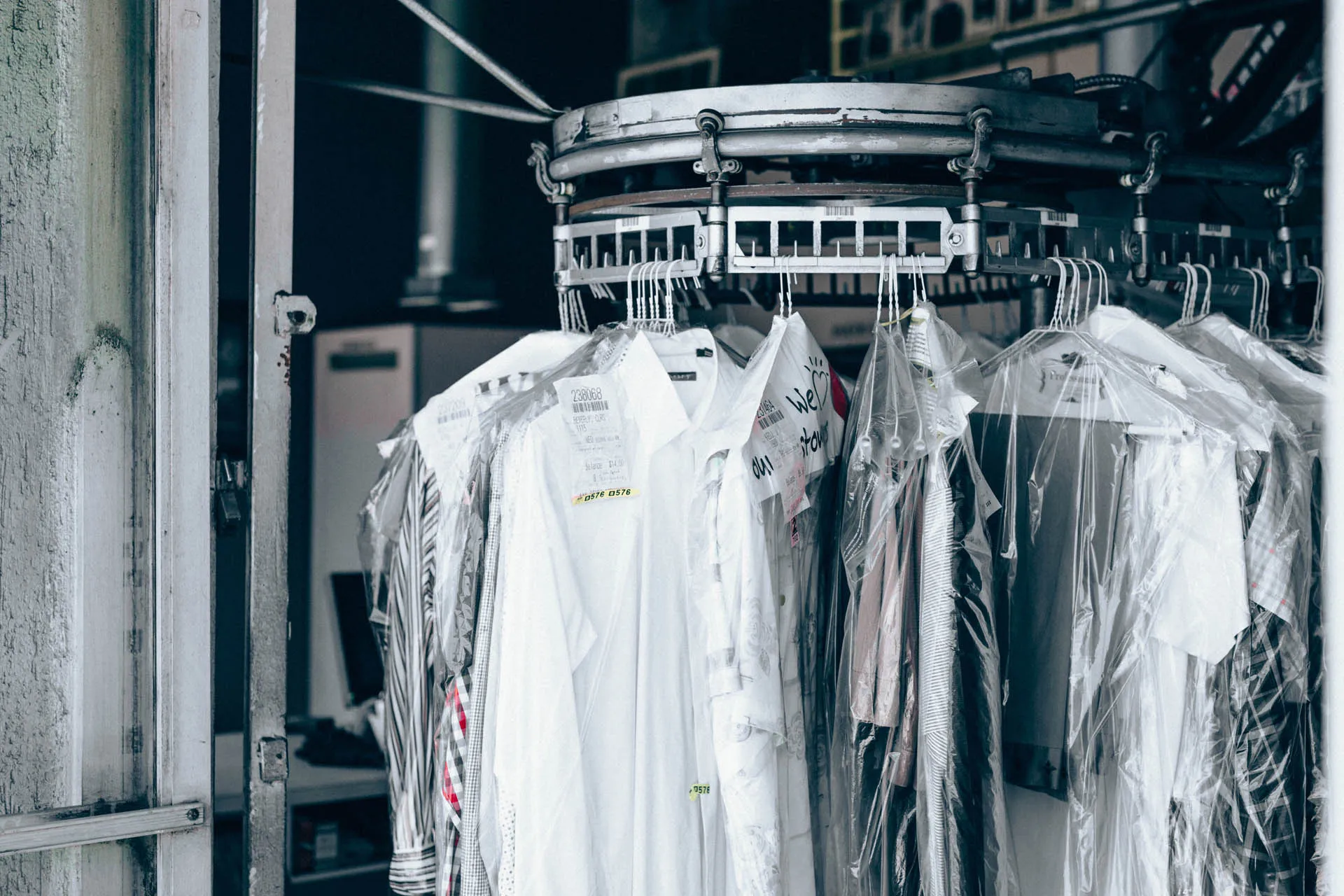
Your wedding dress is more than an outfit. It represents one of the most memorable days of your life, and whether you plan to keep it as a treasured keepsake, pass it down to someone special or sell it, proper care after the wedding is essential.
From champagne spills and makeup marks to dirt along the hem, wedding dresses often collect stains that are not immediately noticeable. Leaving these untreated can cause discolouration, fabric deterioration and permanent damage over time.
That is why professional wedding dress cleaning and preservation should be considered soon after the celebrations.
At The Laundry Lab, professional garment care services in London include dry cleaning, wet cleaning and specialist cleaning options for delicate clothing.
This guide explains what to do with your wedding dress after the big day, how professional cleaning works and the best ways to preserve it for years to come.
Why Is Wedding Dress Cleaning Important?
Even when a wedding dress appears clean, it may contain invisible residues from perspiration, perfume, cosmetics, food and drinks.
These substances can gradually affect fabric appearance, particularly when a dress is stored for several months or years.
For example, sugary drink stains may initially be almost invisible but can develop into yellow or brown marks as they age.
Body oils and perspiration can also contribute to discolouration around the neckline, underarms and bodice.
Professional cleaning helps remove suitable contaminants before they become more difficult to treat.
However, cleaning results depend on the fabric, stain type and how long the marks have been present.
Early attention generally provides more opportunities for successful stain treatment.
What Should You Do With Your Wedding Dress After the Wedding?
Once the celebrations are over, it can be tempting to place your dress back inside its garment bag and forget about it.
However, a few simple precautions can help protect the fabric before professional cleaning.
Step 1: Inspect Your Dress for Stains
Examine the dress carefully in good lighting.
Pay particular attention to the hemline, train, neckline and underarm areas.
Outdoor ceremonies and wedding photography can leave grass, mud or dust along the lower sections of the dress.
Makeup and perfume residues may also be present around the bodice.
Take note of any visible stains so you can explain them to your professional cleaner.
Step 2: Avoid DIY Stain Removal
Wedding dresses often contain delicate materials such as silk, satin, lace, tulle and intricate embroidery.
Household stain removers may damage these fabrics or affect their colour.
Rubbing a stain can also spread the residue or weaken delicate fibres.
Instead, avoid applying unfamiliar cleaning products and seek professional advice.
Step 3: Store the Dress Temporarily
Before cleaning, keep your dress somewhere cool, dry and away from direct sunlight.
Avoid leaving it in a damp bathroom, hot vehicle or poorly ventilated storage area.
For heavier dresses, prolonged hanging can place stress on delicate seams and straps.
Use suitable temporary support until the garment can be professionally assessed.
Step 4: Arrange Professional Cleaning
Contact a specialist garment care provider and explain the dress's fabric, embellishments and visible stains.
Ideally, arrange cleaning reasonably soon after the wedding rather than leaving the dress untreated for months.
The Laundry Lab offers professional garment cleaning services in London, with collection and delivery options that can make post-wedding arrangements more convenient.
How Does Professional Wedding Dress Cleaning Work?
Wedding dresses require individual assessment because their materials and construction can vary considerably.
A simple satin gown may have different cleaning requirements from a heavily beaded dress with multiple layers of lace.
Professional cleaning generally involves several stages.
1. Initial Garment Assessment
The cleaner examines the dress's care label, fabric composition, embellishments and construction.
Any visible damage or loose decorative details should be identified before treatment.
2. Stain Identification and Treatment
Different stains require different approaches.
Oil-based cosmetic marks, sugary drinks and soil deposits may respond to different cleaning methods.
Professional cleaners assess suitable treatments while considering the risk of fabric damage.
3. Appropriate Cleaning Method
Depending on the garment, professional dry cleaning or carefully controlled wet cleaning may be considered.
Neither method is automatically suitable for every wedding dress.
4. Finishing and Inspection
After cleaning, the dress may require careful drying, shaping or finishing.
The cleaner checks the garment's condition before preparing it for return.
Is Dry Cleaning Safe for Wedding Dresses?
Dry cleaning can be suitable for many wedding dresses, but it depends on the fabric and decorative details.
Some gowns contain adhesives, sequins, beads or trims that may react poorly to certain cleaning solvents.
Other dresses may contain fabrics or finishes that require alternative treatment.
For this reason, professional assessment is essential.
A cleaner should consider the manufacturer's instructions and the dress's construction before selecting a cleaning method.
The Laundry Lab provides dry cleaning and wet cleaning services, allowing customers to enquire about suitable options for delicate garments.
Always confirm whether your particular dress can be accepted and how it will be treated.
What Is Wedding Dress Preservation?
Wedding dress preservation refers to preparing and storing a cleaned gown in conditions intended to reduce deterioration over time.
Cleaning is the first important stage, but long-term preservation also requires appropriate storage materials and environmental conditions.
A wedding dress placed inside an unsuitable plastic bag may be exposed to trapped moisture, dust or damaging storage conditions.
Similarly, ordinary cardboard boxes may contain acidic materials that contribute to fabric discolouration.
For long-term storage, specialist archival materials are generally preferable.
Wedding dress preservation is not a guarantee against ageing, but careful storage can help reduce avoidable damage.
How to Preserve Your Wedding Dress at Home
Once your dress has been professionally cleaned, appropriate storage becomes the next priority.
1. Choose an Acid-Free Storage Box
An archival-quality, acid-free box can help protect the gown from dust and unnecessary handling.
The box should be large enough to accommodate the dress without excessive compression.
2. Use Acid-Free Tissue Paper
Place suitable acid-free tissue between folds to help reduce sharp creases.
Avoid using coloured tissue paper because dyes may transfer onto delicate fabrics.
3. Store in a Cool, Dry Location
Choose an area with relatively stable temperature and humidity.
Avoid lofts, garages and damp storage spaces where environmental conditions can fluctuate significantly.
4. Protect the Dress From Sunlight
Prolonged exposure to sunlight can contribute to fading and deterioration.
Keep the storage box away from windows and direct light.
5. Inspect the Dress Occasionally
Check the storage environment periodically for signs of moisture, pests or deterioration.
Handle the gown carefully with clean, dry hands and avoid unnecessary unfolding.
These precautions can help maintain the dress's condition between inspections.
How Much Does Wedding Dress Cleaning Cost in London?
Wedding dress cleaning prices vary depending on the gown's size, fabric, construction and condition.
A relatively simple dress may require less handling than a gown with extensive beading, multiple layers or a long train.
Heavy staining and specialist treatment may also influence the final cost.
Preservation packaging, where available, may be charged separately from cleaning.
Before booking, ask for a clear quotation and confirm what the service includes.
If you require specialist preservation boxing, establish whether the provider offers this directly or whether separate arrangements are necessary.
How Long Does Wedding Dress Cleaning Take?
Wedding dress cleaning generally requires more time than cleaning ordinary everyday clothing.
The process may involve detailed inspection, individual stain treatment and careful finishing.
Some dresses can be processed within several days, while more complicated garments may require longer.
Actual turnaround times depend on the cleaner's workload and the dress's requirements.
If you need the gown returned before travelling, moving house or another important date, communicate your deadline before booking.
For The Laundry Lab, customers should confirm current turnaround times and specialist garment availability directly.
Can You Wear or Sell Your Wedding Dress After Cleaning?
Yes. Professional cleaning can help prepare a wedding dress for future use, resale or alterations.
If you plan to sell your gown, having it professionally cleaned may improve its presentation and allow potential buyers to assess its condition more easily.
For dresses intended to be worn again, proper storage helps protect the fabric until the next occasion.
However, cleaning cannot guarantee the removal of every stain or restore all forms of existing damage.
Any remaining marks, alterations or fabric defects should be disclosed when selling the dress.
Trust The Laundry Lab With Your Delicate Garment Care
Your wedding dress deserves thoughtful care after the celebrations have ended.
From identifying hidden stains to selecting appropriate cleaning methods and arranging suitable storage, every stage contributes to protecting its appearance.
The Laundry Lab provides professional dry cleaning, wet cleaning and specialist garment care services in London, alongside convenient laundry collection and delivery.
Whether you need advice about cleaning a delicate wedding gown or want to arrange professional garment care after your big day, contact the team to discuss suitable options.
Call us +44 7852 622209 or Email us info@thelaundrylab.co.uk to enquire about wedding dress cleaning, confirm available specialist services and arrange a convenient collection.
Latest Blog Posts
A Laundry Service for New Parents: Taking One Job Off Your List
11th November 2026
Salon and Spa Towel Laundry: Meeting Hygiene Standards
11th November 2026
How Does Linen Hire Work? A Guide for London Businesses
How does linen hire work? A plain-English guide for London hotels, restaurants, spas and Airbnb hosts: the process, costs, benefits and what to ask.
22nd October 2026
Does Dry Cleaning Actually Clean Clothes?
Does dry cleaning actually clean clothes? Yes – here’s what it removes, what it doesn’t (like sweat) and when wet cleaning is the better choice.
22nd October 2026

Accreditations & Certificates
ISO 9001 – Quality Management
ISO 14001 – Environmental Impact
ISO 27001 – Cybersecurity
ISO 45001 – Health & Safety Management System