
Airbnb Laundry in London: Managing Turnovers Without Running Out of Linen
11th November 2026
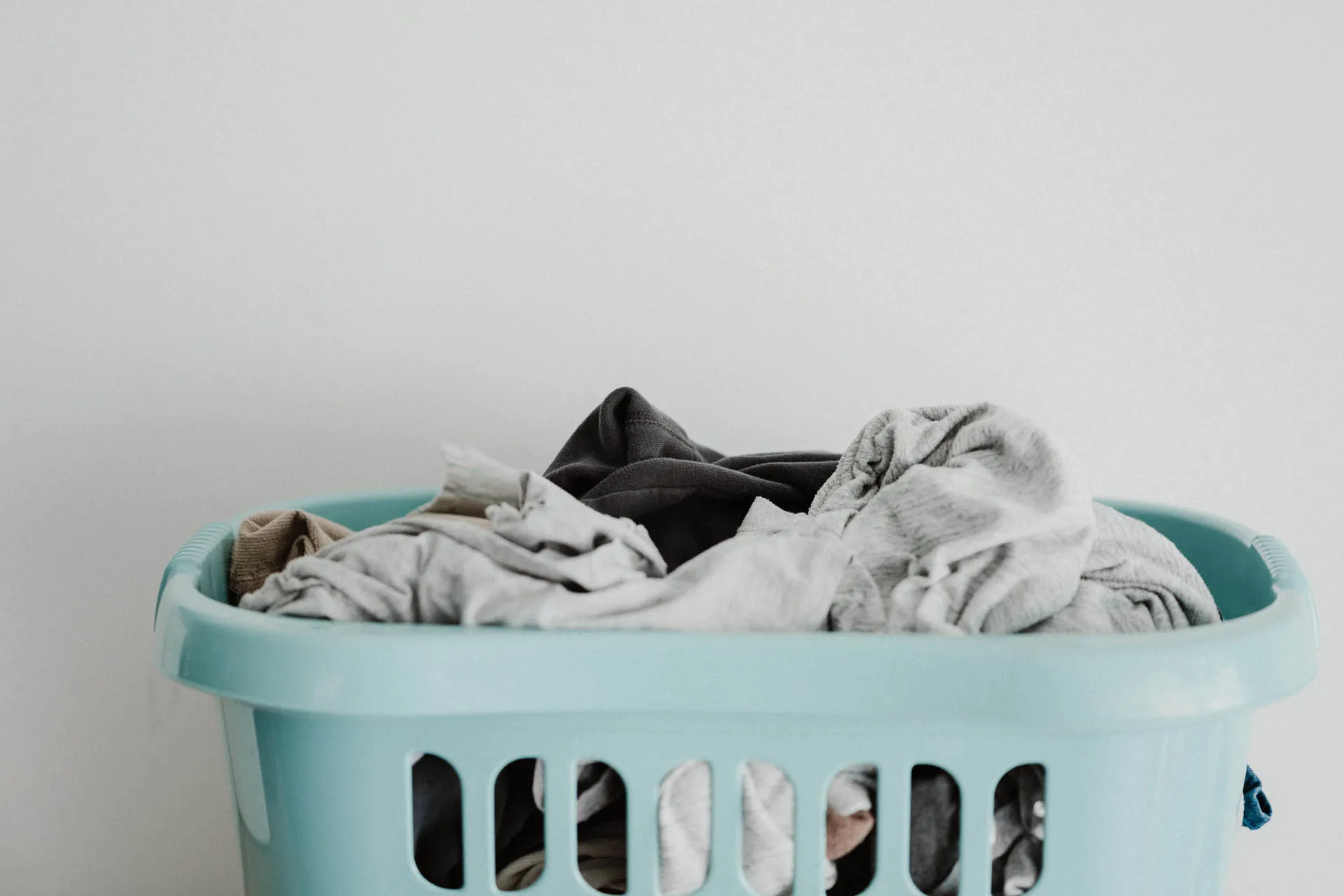
Running an Airbnb or short-term rental property in London involves more than welcoming guests and managing bookings. Behind every successful stay is a carefully organised cleaning routine, and one of its most important elements is having fresh, clean linen ready for every arrival.
From bedsheets and pillowcases to towels and kitchen textiles, laundry can quickly become a challenge when bookings overlap or guests check out and arrive on the same day.
Without a reliable system, hosts risk running out of essential linen, delaying property preparation or spending valuable hours washing and drying between bookings.
This is where a professional Airbnb laundry service in London can make a difference.
At The Laundry Lab, commercial laundry, linen hire and collection and delivery services provide options for businesses managing regular textile requirements.
This guide explains how Airbnb hosts can organise their laundry, prepare for quick turnovers and maintain a dependable supply of clean linen.
Why Is Laundry Management Important for Airbnb Hosts?
Clean linen is one of the first things guests notice when entering a holiday rental.
Fresh bedsheets, neatly presented towels and properly maintained textiles contribute to a welcoming environment.
However, laundry management becomes more complicated when properties have frequent bookings.
Unlike traditional households, short-term rentals may require complete bedding and towel changes several times a week.
A single property can generate substantial laundry, particularly when accommodating families or larger groups.
Poor organisation can lead to:
-
Delayed check-ins: Beds cannot be prepared until clean linen becomes available.
-
Inconsistent presentation: Worn or poorly cleaned textiles can affect the guest experience.
-
Additional staff workload: Housekeepers may spend valuable time washing and drying instead of preparing the property.
-
Unexpected expenses: Emergency linen purchases or urgent cleaning arrangements can increase operating costs.
Establishing a reliable laundry process helps prevent these problems.
What Does an Airbnb Laundry Service Include?
An Airbnb laundry service typically focuses on cleaning the textiles used between guest stays.
Depending on the provider and service agreement, this may include washing, drying, folding, ironing and collection or delivery.
Common items include bedsheets, pillowcases, duvet covers, bath towels, hand towels and kitchen linen.
Some properties also require cleaning for mattress protectors, blankets or decorative textiles, subject to their care instructions.
Professional laundry services help hosts manage these items without relying entirely on domestic washing equipment.
The Laundry Lab offers commercial laundry and collection and delivery services in London, allowing short-term rental operators to enquire about suitable arrangements.
Hosts should confirm accepted items, collection schedules and turnaround times before booking.
How to Manage Airbnb Laundry Between Guest Turnovers
A structured laundry routine can make property preparation considerably easier.
The following steps help hosts organise linen changes while reducing unnecessary delays.
Step 1: Calculate Your Linen Requirements
Start by identifying how many complete linen sets your property needs.
For each bed, include the appropriate sheets, pillowcases and duvet covers.
Then calculate the number of towels required for your maximum guest occupancy.
Remember to include additional items such as bath mats and kitchen towels where necessary.
Understanding your normal usage provides a starting point for managing stock.
Step 2: Keep Spare Linen Sets Available
Relying on a single set of bedding for each bed creates unnecessary pressure during turnovers.
If cleaning is delayed, the property may not be ready for arriving guests.
A practical starting point is to maintain three sets per bed:
Set 1: Currently being used by guests.
Set 2: Clean and ready for the next arrival.
Set 3: Being laundered or held as an additional reserve.
The ideal quantity depends on occupancy, booking frequency and laundry turnaround times.
Properties with frequent same-day changes may require additional stock.
Step 3: Separate Used and Clean Linen
During checkout cleaning, housekeeping staff should collect used linen and place it in designated laundry bags.
Clean linen should remain separate from used textiles throughout the preparation process.
This helps prevent accidental mixing and keeps storage areas organised.
Heavily stained items should be identified so the laundry provider can assess suitable treatment.
Step 4: Arrange Professional Laundry Collection
Once used linen has been gathered, arrange collection according to the agreed schedule.
Collection and delivery services can reduce the need for hosts or cleaners to transport bulky laundry bags.
The Laundry Lab provides convenient laundry collection and delivery options in London.
For recurring commercial requirements, discuss collection frequency and operational arrangements directly with the team.
Step 5: Prepare the Property With Fresh Linen
While used textiles are being cleaned, housekeeping staff can prepare beds and bathrooms using available clean stock.
This approach allows property preparation to continue without waiting for the same linen to return.
Once the cleaned items are delivered, they can be checked, organised and stored for future turnovers.
How Much Linen Does an Airbnb Need?
The amount of linen required depends on property size, maximum occupancy and booking frequency.
A one-bedroom flat accommodating two guests will generally need less stock than a larger property hosting several families.
The table below illustrates a simple planning example.
|
Linen Item |
One Set |
Three Sets |
|
Double fitted sheet |
1 |
3 |
|
Double duvet cover |
1 |
3 |
|
Pillowcases |
4 |
12 |
|
Bath towels |
2 |
6 |
|
Hand towels |
2 |
6 |
These quantities are illustrative rather than fixed requirements.
Hosts should adjust them according to bed configuration, guest numbers and housekeeping arrangements.
Additional reserves may be necessary when bookings are frequent or cleaning takes longer than expected.
What Is Linen Hire for Airbnb Properties?
Linen hire allows businesses to use textiles supplied through a commercial service arrangement rather than purchasing every item themselves.
Depending on the provider, the arrangement may include linen supply, cleaning, collection and replacement stock.
For Airbnb hosts, this can reduce the need to purchase and manage large quantities of bedding and towels.
It may be particularly useful for property managers responsible for multiple short-term rentals.
The Laundry Lab lists linen hire among its commercial services.
Hosts should confirm available products, minimum quantities, pricing and replacement arrangements before entering an agreement.
Linen Hire vs Owning Your Airbnb Linen
Both approaches have advantages, depending on the size and operating model of the property.
Owning Your Linen
Purchasing linen gives hosts control over fabric selection, appearance and stock quantities.
However, the business remains responsible for cleaning, storage and replacement costs.
Hiring Your Linen
Linen hire may reduce upfront purchasing requirements and simplify certain stock management responsibilities.
However, recurring charges and contractual conditions must be considered.
For smaller properties, owning linen and outsourcing cleaning may be practical.
Larger operators may benefit from exploring a more comprehensive linen hire arrangement.
How Can Airbnb Hosts Avoid Running Out of Clean Linen?
The most effective approach combines accurate stock planning with reliable cleaning arrangements.
Maintain a Linen Inventory
Record how many sheets, pillowcases, towels and other textiles are available.
Regular stock checks help identify missing or damaged items before shortages affect guest arrivals.
Plan Around Booking Schedules
Review upcoming checkouts and check-ins to identify busy periods.
Where possible, arrange laundry collections before clean stock becomes critically low.
Account for Unexpected Delays
Laundry processing, transport and stain treatment can sometimes take longer than anticipated.
Maintaining spare linen provides flexibility when schedules change.
Replace Damaged Items Promptly
Inspect textiles for stains, tears, excessive wear and other problems.
Removing unsuitable items from circulation helps maintain consistent guest presentation.
Should Airbnb Hosts Wash Linen Themselves?
Domestic washing may be manageable for hosts operating one small property with occasional bookings.
However, larger laundry volumes can create challenges involving equipment capacity, drying space and staff availability.
Professional laundry services may reduce these responsibilities.
Outsourcing can be particularly useful when managing multiple properties or frequent same-day turnovers.
Before choosing a service, compare cleaning costs, transport arrangements, turnaround times and the time required for internal laundry management.
The most suitable option depends on your property's operational requirements.
How Often Should Airbnb Linen Be Washed?
Bed linen and guest towels should be replaced with clean items between separate guest stays.
Additional changes may be necessary during longer bookings, depending on the property's service arrangements and guest needs.
Mattress protectors, blankets and decorative textiles should also be inspected regularly and cleaned when necessary.
Always follow manufacturer care instructions and maintain appropriate hygiene procedures.
A consistent linen replacement policy helps housekeeping teams prepare properties efficiently and supports a positive guest experience.
Choose The Laundry Lab for Airbnb Laundry in London
Managing short-term rental laundry requires organisation, dependable cleaning and sufficient linen stock.
With the right system, hosts can reduce turnover pressure, maintain consistent property presentation and avoid last-minute shortages.
The Laundry Lab provides professional commercial laundry, linen hire, ironing and collection and delivery services in London.
Whether you manage one Airbnb property or several short-term rentals, the team can discuss suitable laundry arrangements and available commercial services.
Call us +44 7852 622209 or Email us info@thelaundrylab.co.uk to enquire about Airbnb laundry services, linen hire and convenient collection and delivery options for your London property.
Latest Blog Posts
Wedding Dress Cleaning and Preservation: What to Do After the Big Day
11th November 2026
A Laundry Service for New Parents: Taking One Job Off Your List
11th November 2026
Salon and Spa Towel Laundry: Meeting Hygiene Standards
11th November 2026
How Does Linen Hire Work? A Guide for London Businesses
How does linen hire work? A plain-English guide for London hotels, restaurants, spas and Airbnb hosts: the process, costs, benefits and what to ask.
22nd October 2026
Does Dry Cleaning Actually Clean Clothes?
Does dry cleaning actually clean clothes? Yes – here’s what it removes, what it doesn’t (like sweat) and when wet cleaning is the better choice.
22nd October 2026

Accreditations & Certificates
ISO 9001 – Quality Management
ISO 14001 – Environmental Impact
ISO 27001 – Cybersecurity
ISO 45001 – Health & Safety Management System