
Salon and Spa Towel Laundry: Meeting Hygiene Standards
11th November 2026
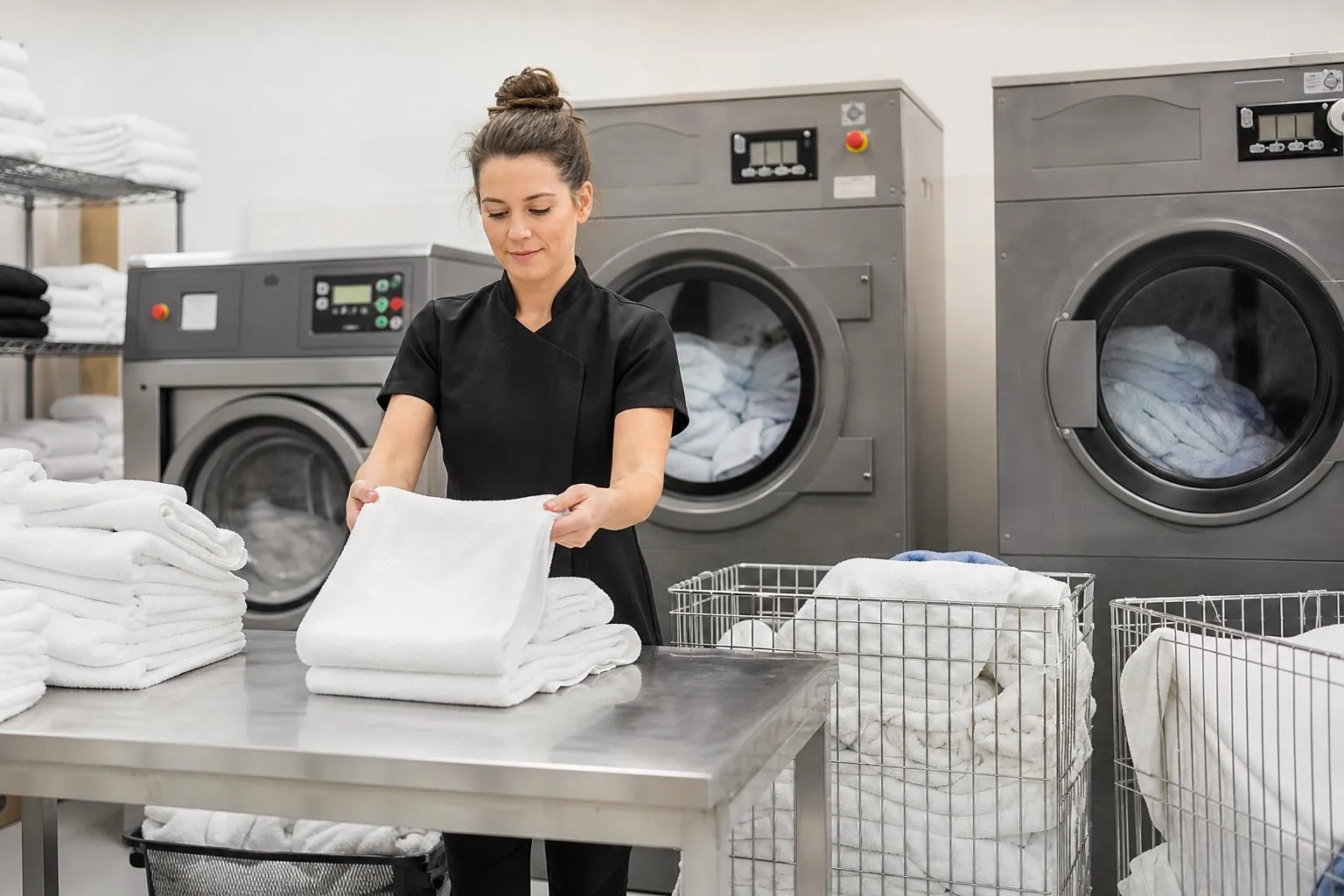
Clean towels are essential for every successful salon, spa and beauty business. Whether used during facials, massages, hair treatments or other services, towels come into direct contact with customers and must be handled hygienically.
However, maintaining a consistent supply of fresh towels can be challenging, particularly for busy establishments managing multiple appointments throughout the day.
Used towels may contain body oils, skincare products, hair dyes, massage oils and other residues. Without suitable washing procedures, these contaminants can affect hygiene, fabric quality and the overall customer experience.
That is why having a reliable salon and spa towel laundry service is important.
At The Laundry Lab, commercial laundry and collection and delivery services help London businesses manage their textile cleaning requirements.
This guide explains salon towel hygiene standards, suitable laundering practices and how professional laundry services can support everyday operations.
Why Is Proper Towel Hygiene Important in Salons and Spas?
Towels are used repeatedly throughout the working day, often during treatments involving direct skin contact.
Poor handling or inadequate cleaning can increase the risk of cross-contamination between customers.
Maintaining appropriate hygiene procedures helps protect clients, supports staff confidence and contributes to a professional environment.
For salons and spas, towel hygiene is particularly important because:
-
Customer safety: Clean towels help reduce avoidable exposure to contaminants.
-
Professional presentation: Fresh, properly maintained textiles contribute to a positive treatment experience.
-
Operational efficiency: Organised laundry routines help prevent shortages between appointments.
-
Fabric maintenance: Appropriate washing methods help preserve towel condition and absorbency.
A consistent towel management system should form part of a business's wider cleaning and infection prevention procedures.
What Hygiene Standards Apply to Salon and Spa Towels?
Salon and spa operators in the UK must consider workplace health and safety responsibilities, relevant local authority requirements and the hygiene risks associated with their services.
There is no single universal washing temperature that automatically makes every salon towel compliant with all hygiene requirements.
Appropriate laundering depends on the treatment provided, the type of contamination and the cleaning process used.
Businesses should establish documented procedures for handling, washing, drying and storing reusable textiles.
Key Hygiene Practices
|
Hygiene Area |
Recommended Practice |
|
Between clients |
Provide a fresh, appropriately cleaned towel |
|
Used towel storage |
Keep separate from clean textiles |
|
Laundry handling |
Avoid unnecessary shaking or contact |
|
Washing |
Follow suitable cleaning procedures |
|
Drying |
Ensure towels are thoroughly dried |
|
Clean storage |
Protect from moisture and contamination |
Where towels are exposed to blood, bodily fluids or other potentially infectious materials, additional infection control precautions may be necessary.
Businesses should follow relevant sector guidance and their documented risk assessments.
How Often Should Salon and Spa Towels Be Washed?
Towels used directly against a customer's skin should generally be replaced with clean ones between clients.
This applies to common services such as facials, massages, hair washing and beauty treatments.
Reusing the same towel across different customers without appropriate laundering can create avoidable hygiene risks.
The frequency of laundry collections depends on the number of appointments, towel usage and available stock.
For example, a busy spa offering multiple treatments throughout the day may require substantially more clean towels than a small salon operating by appointment.
Maintaining adequate stock helps staff avoid shortcuts when schedules become demanding.
How to Wash Salon and Spa Towels Properly
Effective towel laundering involves more than selecting a washing temperature.
A suitable process should consider fabric care instructions, detergent selection, contamination levels and drying methods.
Step 1: Separate Used Towels
Collect used towels promptly after treatments.
Place them in designated laundry containers and keep them separate from clean stock.
Avoid leaving damp towels in piles for extended periods.
Step 2: Identify Heavy Contamination
Massage oils, hair products and cosmetic residues may require different cleaning approaches.
Towels contaminated with potentially infectious materials should be handled according to appropriate infection control procedures.
Step 3: Select Suitable Washing Conditions
Follow textile care labels and use a washing process appropriate for the contamination involved.
Where thermal or chemical disinfection is required, the complete validated process matters, not temperature alone.
Step 4: Dry Towels Thoroughly
Incomplete drying can encourage unpleasant odours and microbial growth.
Use suitable drying methods and ensure towels are completely dry before storage.
Step 5: Store Clean Towels Correctly
Keep freshly cleaned towels in a designated, dry storage area.
Protect them from used laundry, cleaning chemicals and unnecessary handling.
What Temperature Should Salon Towels Be Washed At?
Many businesses use higher-temperature washing programmes for suitable cotton towels, but the correct temperature depends on the fabric and hygiene requirements.
Some textiles tolerate 60°C washing, while others require lower temperatures to prevent damage.
However, washing at 60°C does not automatically guarantee disinfection under every condition.
Cleaning effectiveness depends on temperature, cycle duration, detergent chemistry, mechanical action and the level of contamination.
For businesses requiring a validated disinfection process, professional advice and appropriate documentation are important.
Always follow manufacturer care instructions and relevant hygiene guidance.
Common Salon Towel Laundry Problems
Salons and spas often encounter similar challenges when managing large quantities of towels.
1. Massage Oil Residues
Oil-based products can remain trapped in fibres when washing methods are unsuitable.
Appropriate detergent selection and professional stain treatment may help.
2. Hair Dye Stains
Some hair dyes can permanently discolour towels.
Separating heavily stained items may help prevent unwanted colour transfer.
3. Unpleasant Odours
Damp storage, inadequate washing or incomplete drying can contribute to persistent smells.
4. Reduced Absorbency
Excessive fabric conditioner and detergent residues may reduce towel absorbency.
5. Frequent Stock Shortages
Insufficient spare towels can create problems during busy appointment periods.
A structured laundry schedule helps businesses anticipate demand.
How Many Towels Does a Salon or Spa Need?
The number of towels required depends on appointment volume, treatment type and laundry turnaround times.
A simple planning method is to calculate daily towel usage and maintain enough stock to cover cleaning periods.
Example: Daily Towel Requirements
|
Factor |
Example |
|
Daily appointments |
20 |
|
Towels per appointment |
2 |
|
Daily towel usage |
40 |
|
Three days of stock |
120 towels |
This example assumes two towels per appointment and three days of available stock.
Actual requirements may be higher depending on treatment procedures, collection schedules and emergency reserves.
Businesses should review stock levels regularly and replace damaged or excessively worn towels.
Benefits of Professional Salon and Spa Towel Laundry
Outsourcing towel cleaning can reduce the workload associated with managing commercial textiles.
For businesses with frequent appointments, professional laundry services offer several practical advantages.
Reduced Staff Workload
Employees can concentrate on treatments, customer service and daily operations rather than spending additional time washing and drying towels.
Less Dependence on On-Site Equipment
Commercial laundry services may reduce the need for additional washing machines, dryers and dedicated laundry space.
Consistent Textile Care
Professional cleaning can help businesses maintain a consistent approach to washing and finishing towels.
However, specific hygiene or disinfection requirements should be agreed with the provider beforehand.
Convenient Collection and Delivery
Scheduled laundry collections can reduce unnecessary journeys and simplify stock management.
The Laundry Lab provides commercial laundry and collection and delivery services for London businesses.
Should Salons Use a Commercial Laundry Service?
The decision depends on business size, laundry volume and available resources.
Smaller salons with limited towel usage may find internal washing manageable.
However, larger establishments often face increased equipment demands, utility costs and staff responsibilities.
When comparing options, consider:
-
The number of towels used daily.
-
Staff time spent managing laundry.
-
Equipment maintenance and utility expenses.
-
Available storage and drying space.
-
Collection schedules and cleaning requirements.
Outsourcing may be particularly useful when laundry responsibilities interfere with appointment preparation or customer service.
How to Choose a Salon Towel Laundry Provider in London
Choosing a suitable commercial laundry provider requires more than comparing prices.
Ask whether the company can accommodate your towel quantities, fabric types and collection requirements.
Discuss how used textiles are handled, what cleaning processes are available and whether any specific hygiene requirements can be met.
For businesses needing documented disinfection procedures, request clear information about the provider's processes.
Also confirm turnaround times, pricing and arrangements for damaged or heavily stained items.
Reliable communication is essential when clean towel availability directly affects daily appointments.
Keep Your Salon Towels Clean With The Laundry Lab
Maintaining clean salon and spa towels is essential for hygiene, customer comfort and professional presentation.
A structured laundry routine helps businesses manage used textiles, maintain suitable stock levels and reduce unnecessary operational pressure.
The Laundry Lab offers commercial laundry, professional textile cleaning and convenient collection and delivery services in London.
Whether you operate a hair salon, beauty studio, massage practice or spa, the team can discuss your towel cleaning requirements and available commercial laundry options.
Call us +44 7852 622209 or Email us info@thelaundrylab.co.uk today to enquire about salon and spa towel laundry services and arrange suitable collection and delivery arrangements.
Latest Blog Posts
Wedding Dress Cleaning and Preservation: What to Do After the Big Day
11th November 2026
A Laundry Service for New Parents: Taking One Job Off Your List
11th November 2026
How Does Linen Hire Work? A Guide for London Businesses
How does linen hire work? A plain-English guide for London hotels, restaurants, spas and Airbnb hosts: the process, costs, benefits and what to ask.
22nd October 2026
Does Dry Cleaning Actually Clean Clothes?
Does dry cleaning actually clean clothes? Yes – here’s what it removes, what it doesn’t (like sweat) and when wet cleaning is the better choice.
22nd October 2026

Accreditations & Certificates
ISO 9001 – Quality Management
ISO 14001 – Environmental Impact
ISO 27001 – Cybersecurity
ISO 45001 – Health & Safety Management System